
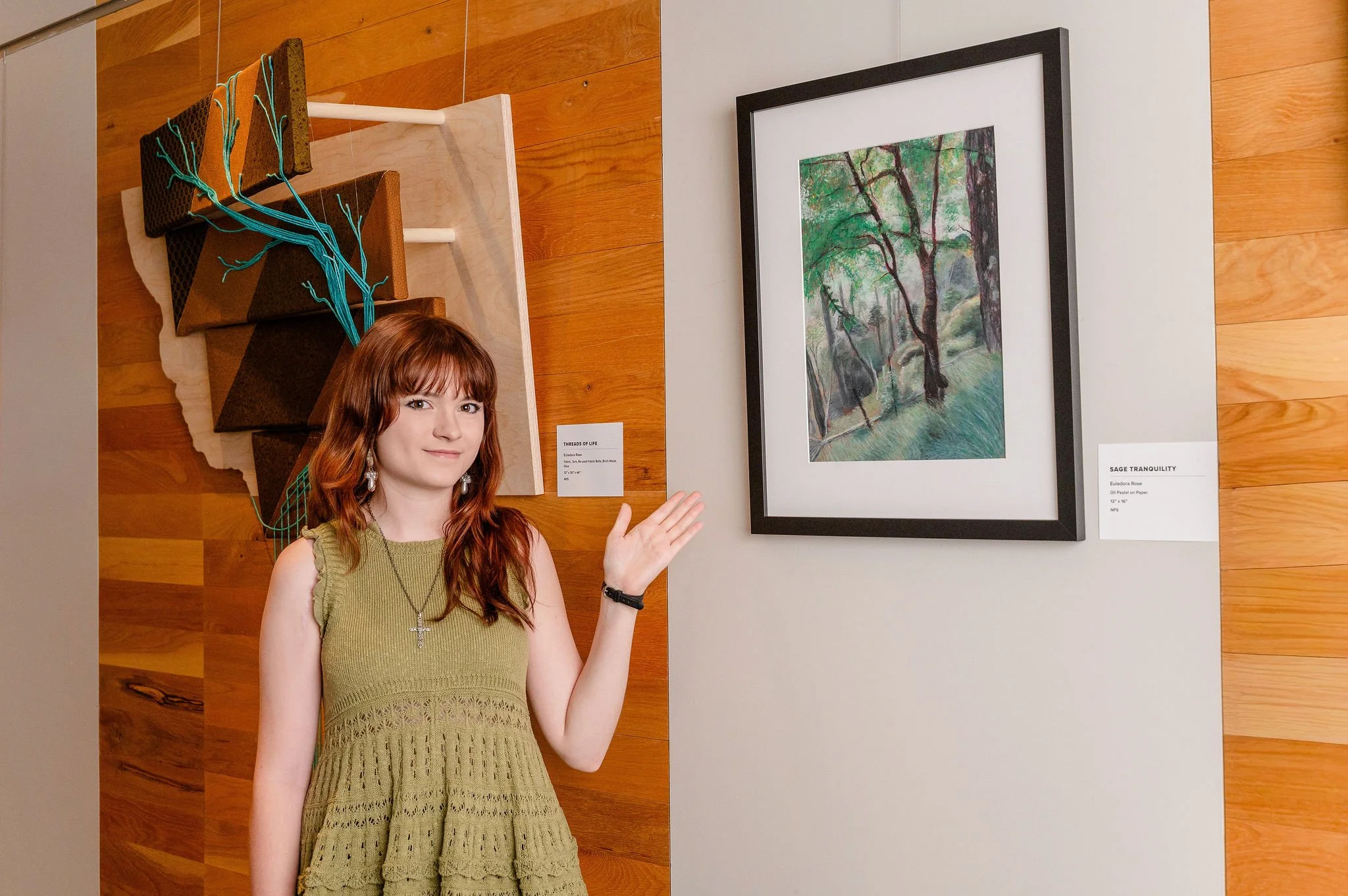
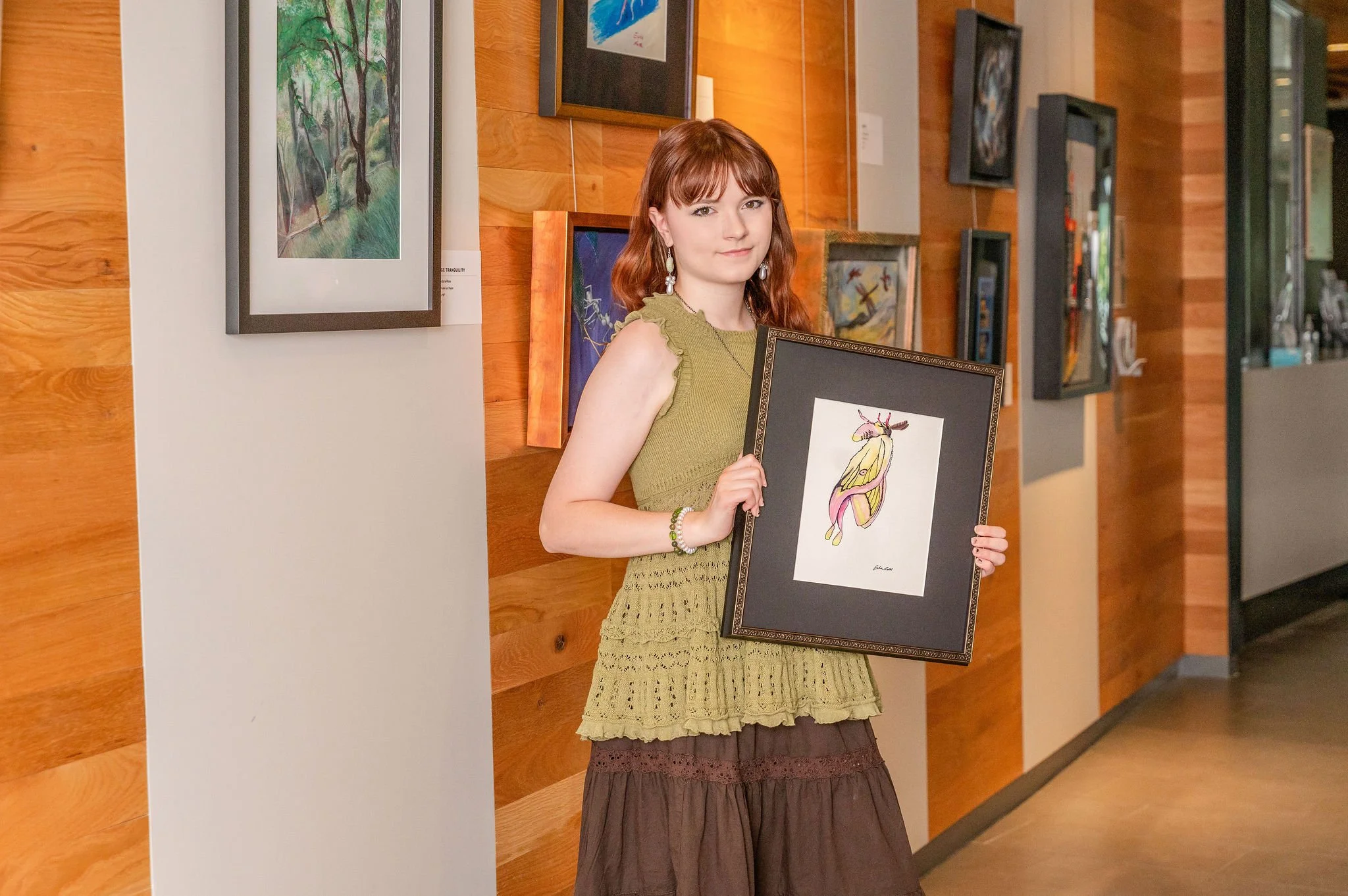
City of Golden Valley — Rotational Artist Program
A solo public exhibition sited within Golden Valley's primary civic gathering space, paired with a community engagement initiative built around observation, interaction, and public participation.
Visit Brookview Community Center

The Exhibition
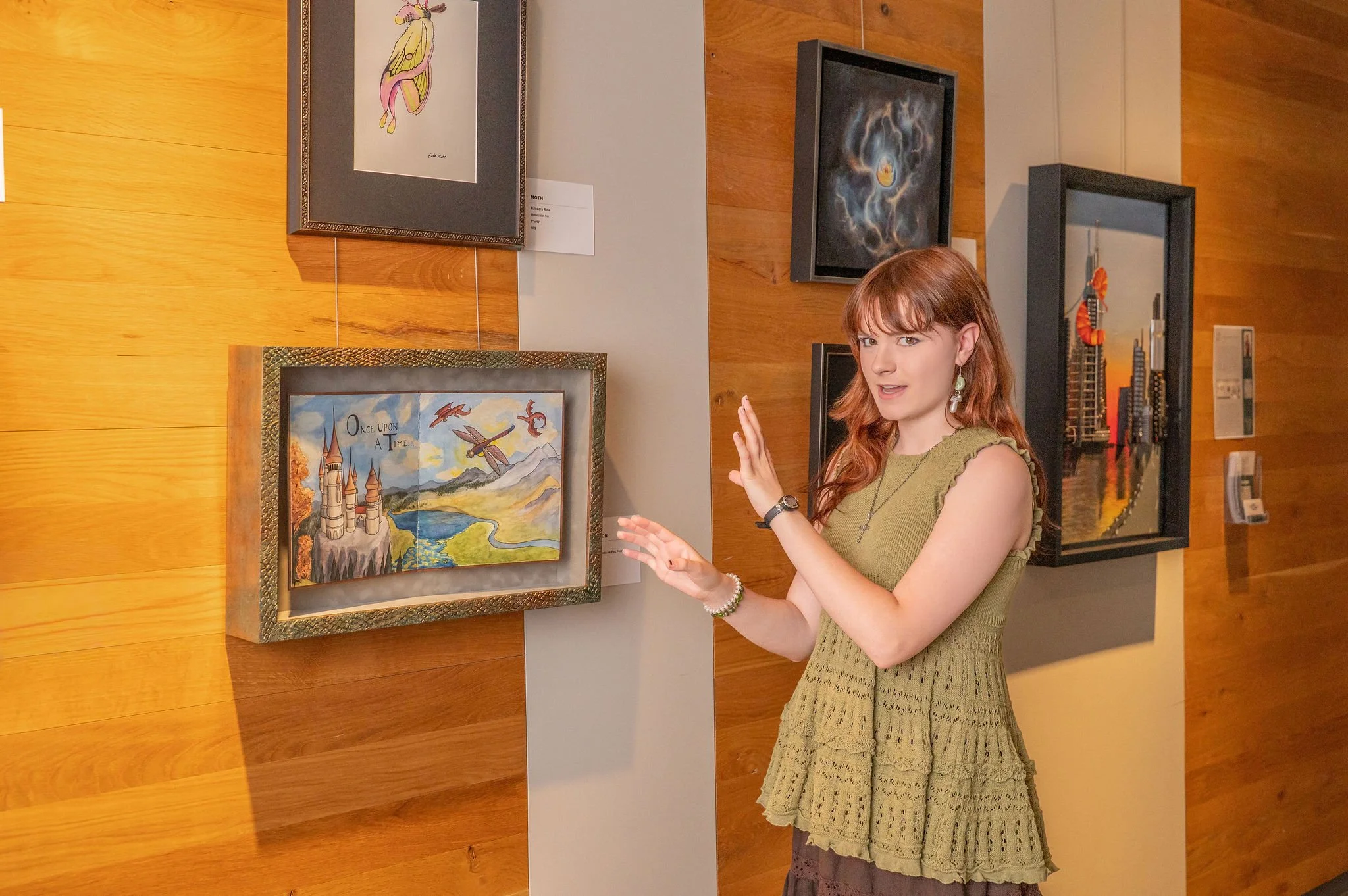
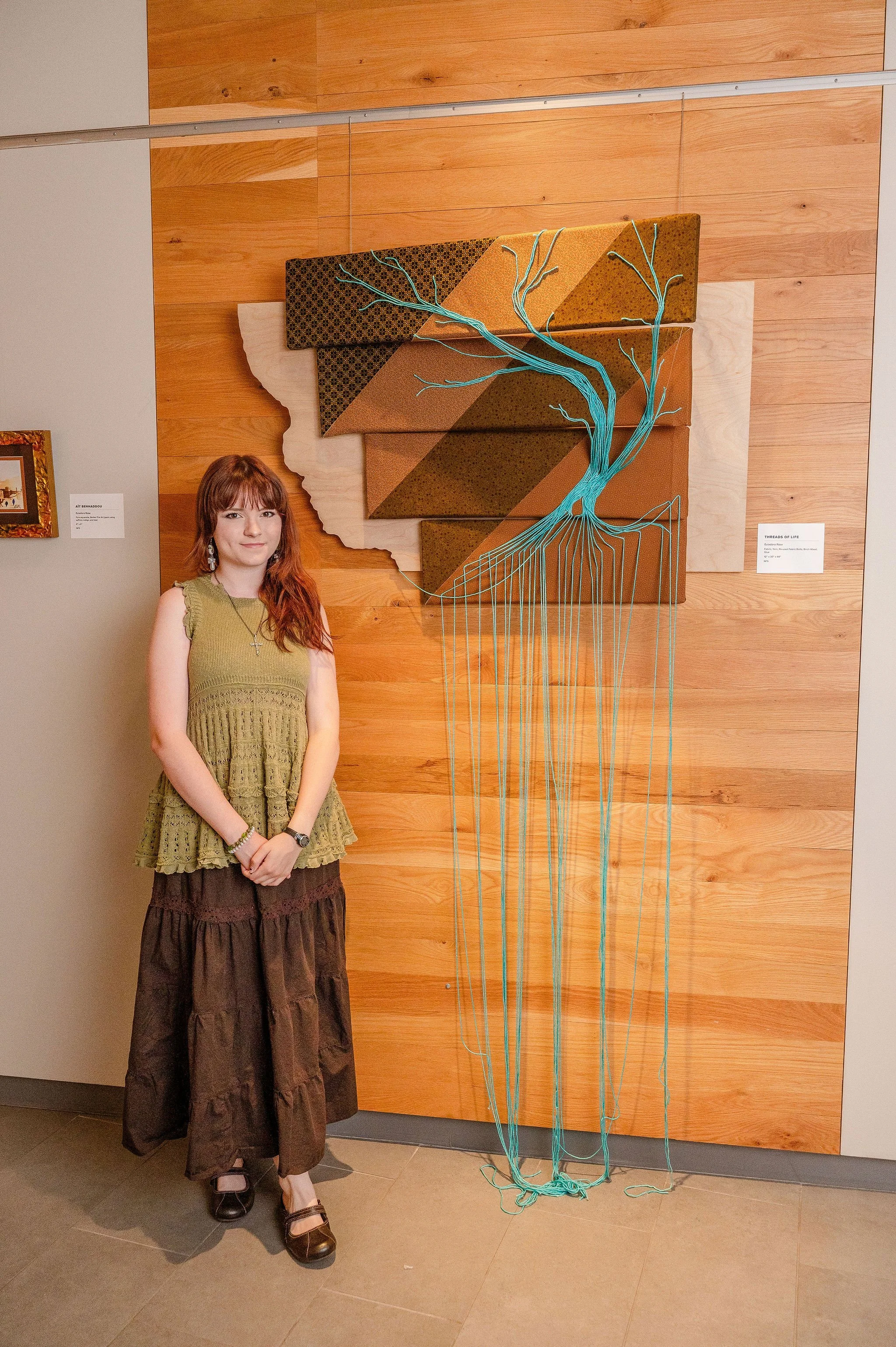
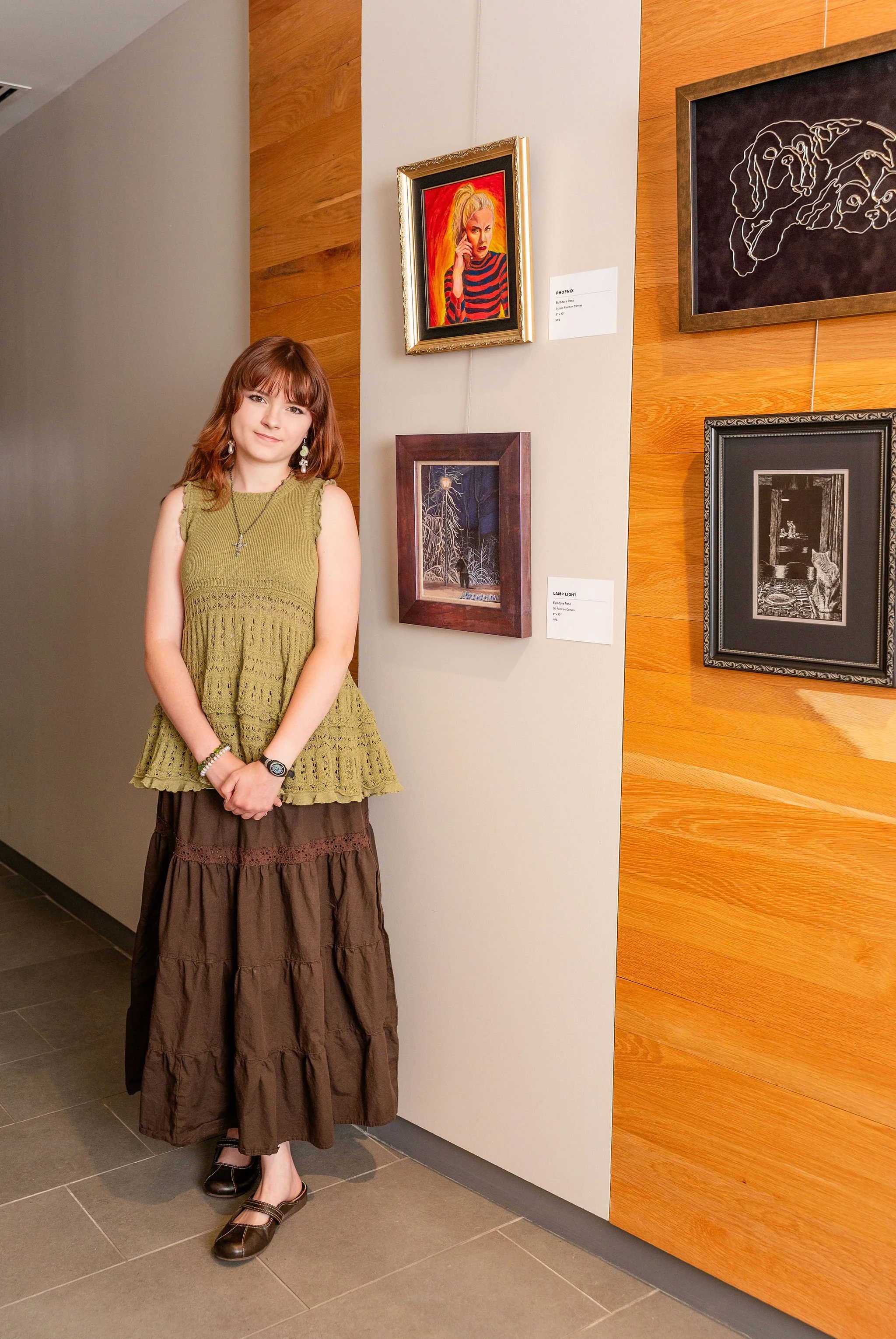
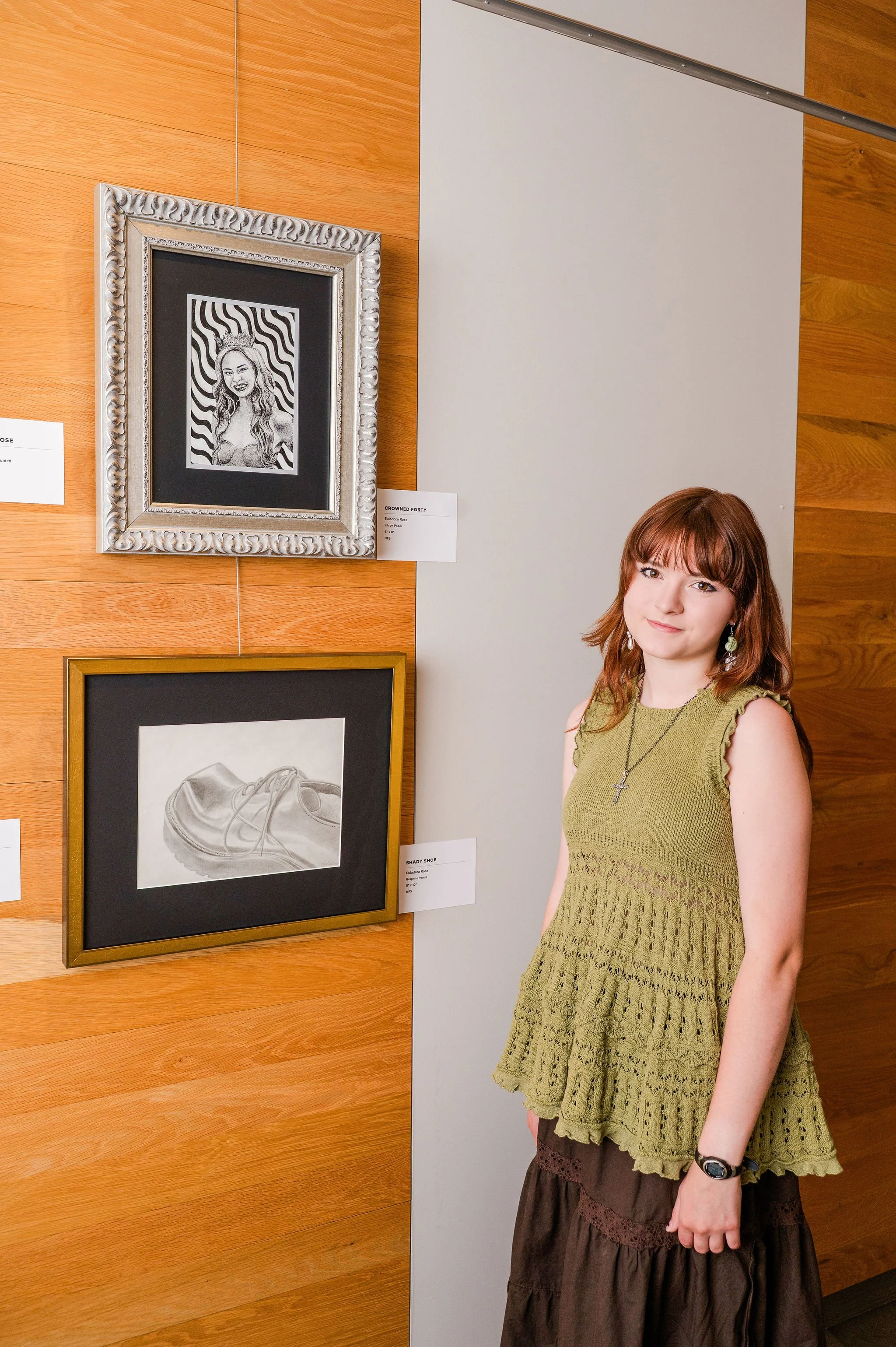
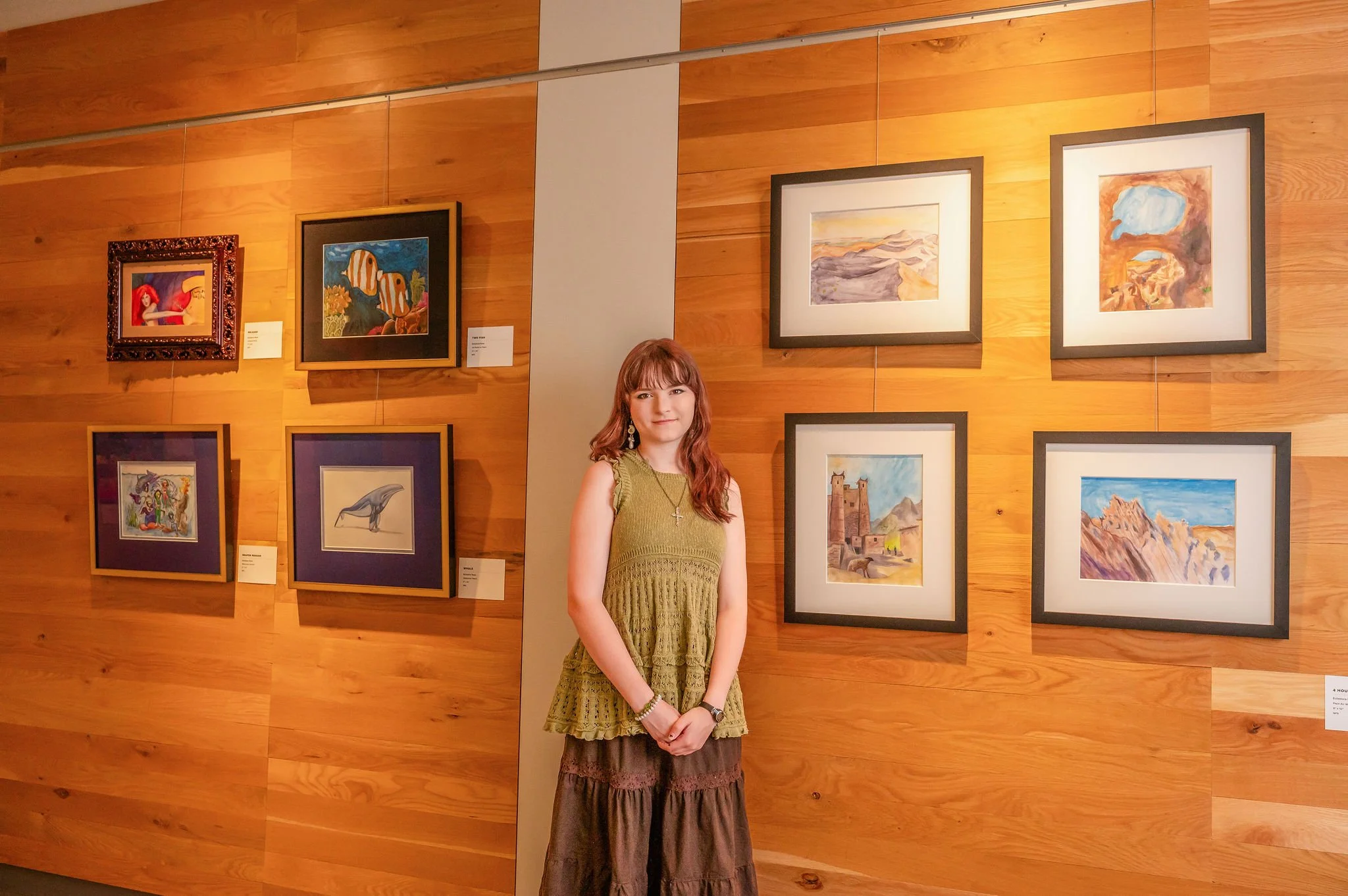
During summer 2026, my work was featured in the City of Golden Valley Rotational Art Program at Brookview Community Center. The exhibition ran from June 17 through September 11, placing my artwork within one of the city's primary public gathering spaces, where recreation, performances, events, and everyday community activity intersect.
After being selected for the program, I wanted the exhibition to become more than a traditional installation. I developed a community engagement component that invited visitors to slow down, observe the work, and share their responses. Throughout the exhibition, I collected visitor reflections and used the experience to explore how people encounter and interact with artwork outside of a traditional gallery setting.
A Site With History
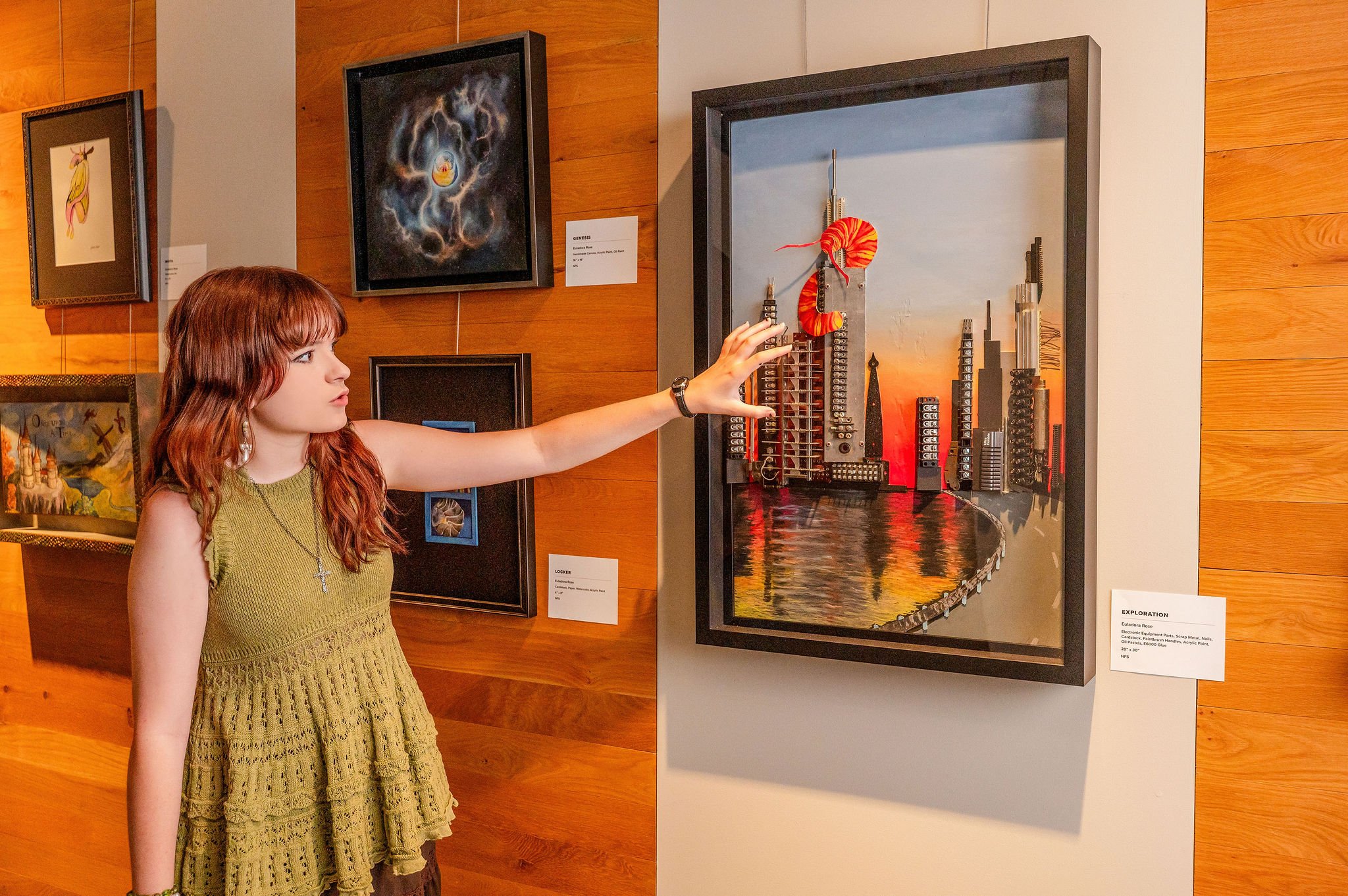
Located just west of Minneapolis, Brookview Community Center is a year-round civic space for recreation, public programming, exhibitions, and community events. Its history reflects an evolving idea of community space: from a private golf course in the 1920s, to the Brookview Jewish Country Club during a period when antisemitism restricted access to many social institutions, and eventually to a public community resource after the City of Golden Valley acquired the property in 1968.
The current 38,000-square-foot Brookview Community Center was designed by HGA Architects and completed in 2017, creating a modern gathering place centered on recreation, accessibility, and community use. Today, buildings bring art into a space people already use as part of everyday life. That setting became an important part of my exhibition and my interest in how people encounter artwork outside of a traditional gallery.
Installation Details
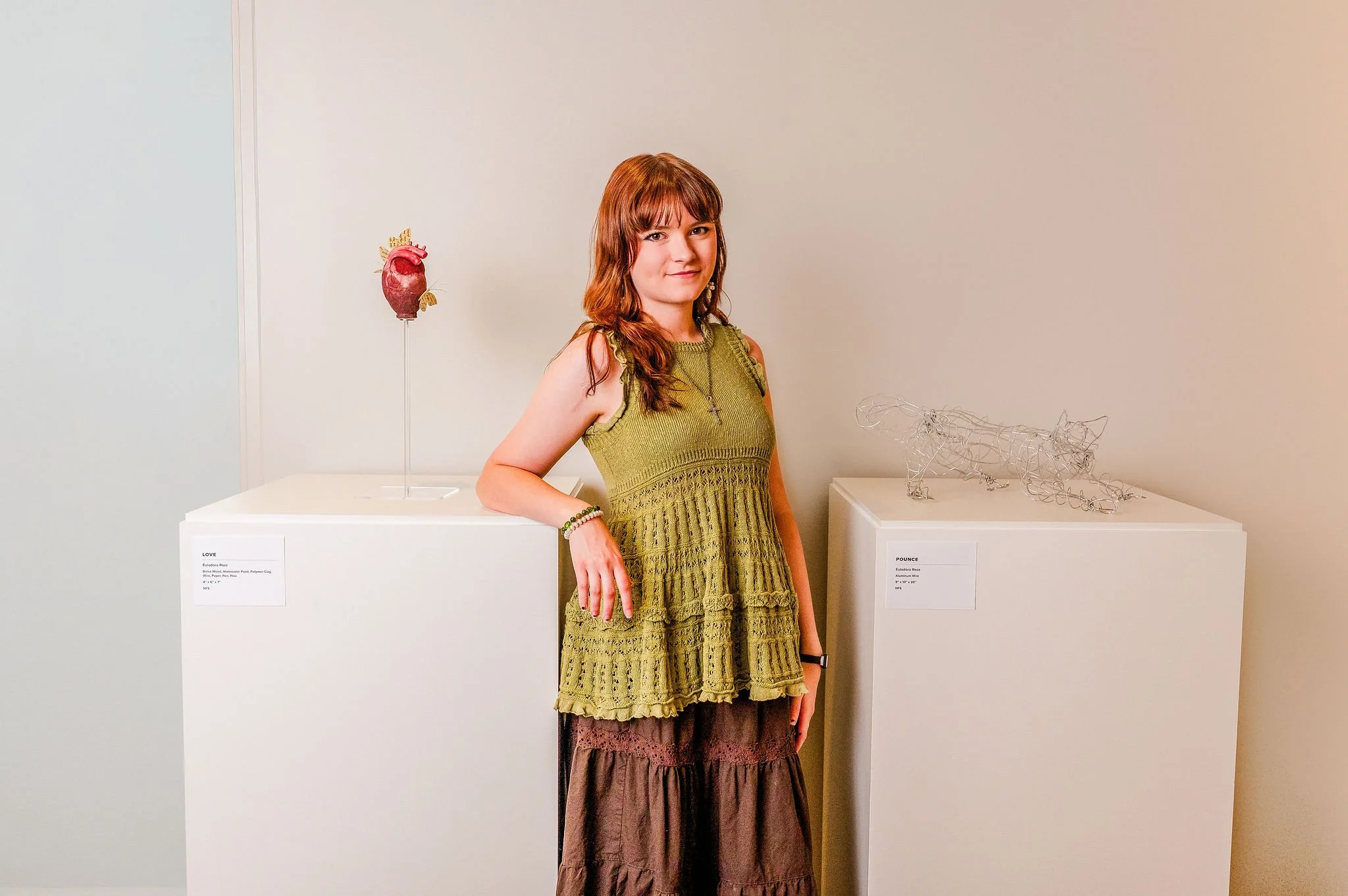
My work was installed along the 47-foot west wall of Brookview Community Center's main entry, placing the exhibition directly within one of the building's primary circulation and gathering spaces. Two sculptures were displayed in the adjacent vestibules, extending the exhibition beyond the main wall.
The placement allowed the work to become part of the everyday activity of the building rather than something encountered only in a traditional gallery. Over the course of the summer, the exhibition became an exploration of how art can exist within a shared public space and how people engage with it as they move through their daily routines.
Audience Engagement
Throughout the exhibition, I invited visitors to move beyond simply viewing the work and share how they experienced it. A QR code installed alongside the exhibition connected the physical space to a digital survey, allowing me to track engagement, identify the works that resonated most, and collect reflections on the questions and personal connections the artwork prompted.
Results are preliminary while the exhibition survey remains open.
Visitor Reflections
The feedback revealed connections that could not be measured through clicks or time alone. Viewers reflected on how age and experience shape perception, how creativity changes over time, and how the themes within the work connected to their own lives. Some responses were openly reflective, while others acknowledged a personal connection they preferred to keep private.
Among the works on display, Genesis and Reflection were the most frequently selected as favorites. The responses below offer a glimpse into the questions and connections that continued beyond the work itself.
"How do I see things now compared if I would have experienced this as a young woman? Would my views be drastically different? How does our views of creativity change with experience and errors?"
"I can understand and relate to many aspects of these pieces, but I'd rather keep it private."
Find the Venue
The exhibition concluded in September 2026, and I am now reviewing the visitor engagement and reflections gathered throughout the summer. Results and a final reflection will be added soon.
Share Your Reflection
Your response takes about two minutes and helps shape how this exhibition — and future ones — are understood.